Buy möpse.net ?
We are moving the project
möpse.net .
Are you interested in purchasing the domain
möpse.net ?
domain@kv-gmbh.de · 0541-91531010
Buy möpse.net ?
'Vase or glass?'
It depends on the context and purpose. A vase is typically used for holding flowers or decorative branches, while a glass is used for drinking liquids. If the question is about which one to use for a specific purpose, then the answer would depend on whether the intention is to display flowers or to serve a beverage. Both have their own unique functions and can be chosen based on the specific need at hand. **
Why is the elk called moose in English?
The confusion between elk and moose in English likely stems from historical linguistic differences. In North America, the term "elk" traditionally referred to the animal we now call a moose, while in Europe, "elk" was used to describe a different species of deer. Over time, as English evolved differently in North America and Europe, the term "moose" became more commonly used in North America to refer to the large deer species, while "elk" came to be used for a different species of deer in Europe. **


Similar search terms for Elk-Home-Dunn-Vase
Top-Angebote
Products related to Elk-Home-Dunn-Vase:
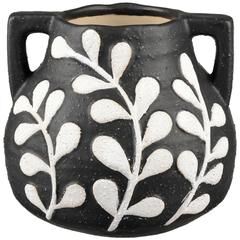
-
Who made this vase?
This vase was made by an ancient Greek potter and artist. It is an example of Greek pottery from the 5th century BC, known for its intricate designs and skilled craftsmanship. The artist's name is not known, as pottery from this time period was typically not signed or attributed to specific individuals. However, it is likely that the vase was made in a workshop where multiple artists and potters collaborated on creating such pieces. **
-
Is the vase broken?
Yes, the vase is broken. It is in pieces and cannot be used in its original form. **
-
Who knows this vase?
The person who knows this vase is likely the owner or someone who has a personal connection to it. It could also be someone who has studied or researched the vase, such as an art historian or a museum curator. Additionally, the artist or creator of the vase would also have knowledge of it. **
-
Is this an elk, deer, or a roe deer?
This is a deer. Roe deer are smaller in size compared to elk and deer, and they have distinct white markings on their rump. Elk are much larger in size with a different body shape and antler structure compared to deer. **
Is this an elk, deer, or perhaps a deer?
Based on the image provided, it is most likely a deer. Deers are generally smaller in size compared to elks, and the animal in the image appears to have a slender body and smaller antlers, which are characteristic of a deer. Additionally, the shape of the head and the overall body structure resemble that of a deer rather than an elk. **
Why is the word for "elk" in English "moose"?
The word "moose" in English comes from the Algonquian language, specifically the Eastern Abenaki dialect. The Algonquian word "moz" or "moos" referred to the animal we now know as the elk in Europe. When English settlers arrived in North America and encountered the large, deer-like animal, they began using the Algonquian word "moose" to describe it, leading to the confusion in terminology between elk and moose. **
Top-Angebote
Products related to Elk-Home-Dunn-Vase:
-
'Vase or glass?'
It depends on the context and purpose. A vase is typically used for holding flowers or decorative branches, while a glass is used for drinking liquids. If the question is about which one to use for a specific purpose, then the answer would depend on whether the intention is to display flowers or to serve a beverage. Both have their own unique functions and can be chosen based on the specific need at hand. **
-
Why is the elk called moose in English?
The confusion between elk and moose in English likely stems from historical linguistic differences. In North America, the term "elk" traditionally referred to the animal we now call a moose, while in Europe, "elk" was used to describe a different species of deer. Over time, as English evolved differently in North America and Europe, the term "moose" became more commonly used in North America to refer to the large deer species, while "elk" came to be used for a different species of deer in Europe. **
-
Who made this vase?
This vase was made by an ancient Greek potter and artist. It is an example of Greek pottery from the 5th century BC, known for its intricate designs and skilled craftsmanship. The artist's name is not known, as pottery from this time period was typically not signed or attributed to specific individuals. However, it is likely that the vase was made in a workshop where multiple artists and potters collaborated on creating such pieces. **
-
Is the vase broken?
Yes, the vase is broken. It is in pieces and cannot be used in its original form. **
Similar search terms for Elk-Home-Dunn-Vase
-
Who knows this vase?
The person who knows this vase is likely the owner or someone who has a personal connection to it. It could also be someone who has studied or researched the vase, such as an art historian or a museum curator. Additionally, the artist or creator of the vase would also have knowledge of it. **
-
Is this an elk, deer, or a roe deer?
This is a deer. Roe deer are smaller in size compared to elk and deer, and they have distinct white markings on their rump. Elk are much larger in size with a different body shape and antler structure compared to deer. **
-
Is this an elk, deer, or perhaps a deer?
Based on the image provided, it is most likely a deer. Deers are generally smaller in size compared to elks, and the animal in the image appears to have a slender body and smaller antlers, which are characteristic of a deer. Additionally, the shape of the head and the overall body structure resemble that of a deer rather than an elk. **
-
Why is the word for "elk" in English "moose"?
The word "moose" in English comes from the Algonquian language, specifically the Eastern Abenaki dialect. The Algonquian word "moz" or "moos" referred to the animal we now know as the elk in Europe. When English settlers arrived in North America and encountered the large, deer-like animal, they began using the Algonquian word "moose" to describe it, leading to the confusion in terminology between elk and moose. **
* All prices are inclusive of VAT and, if applicable, plus shipping costs. The offer information is based on the details provided by the respective shop and is updated through automated processes. Real-time updates do not occur, so deviations can occur in individual cases. ** Note: Parts of this content were created by AI.